
 Authorized Dealer
 English
 中文
中文 日本語
日本語






Teardown of TCL 18W USB-A Fast Charger
Today we are tearing down an 18W charger originally bundled with a TCL mobile phone. The charger features a single USB-A port, supports global voltage input with a 100-240V AC rating, making it suitable for sale in multiple international markets. Now, let’s take it apart and examine its internal design and component choices.
TCL 18W Charger – Exterior Overview
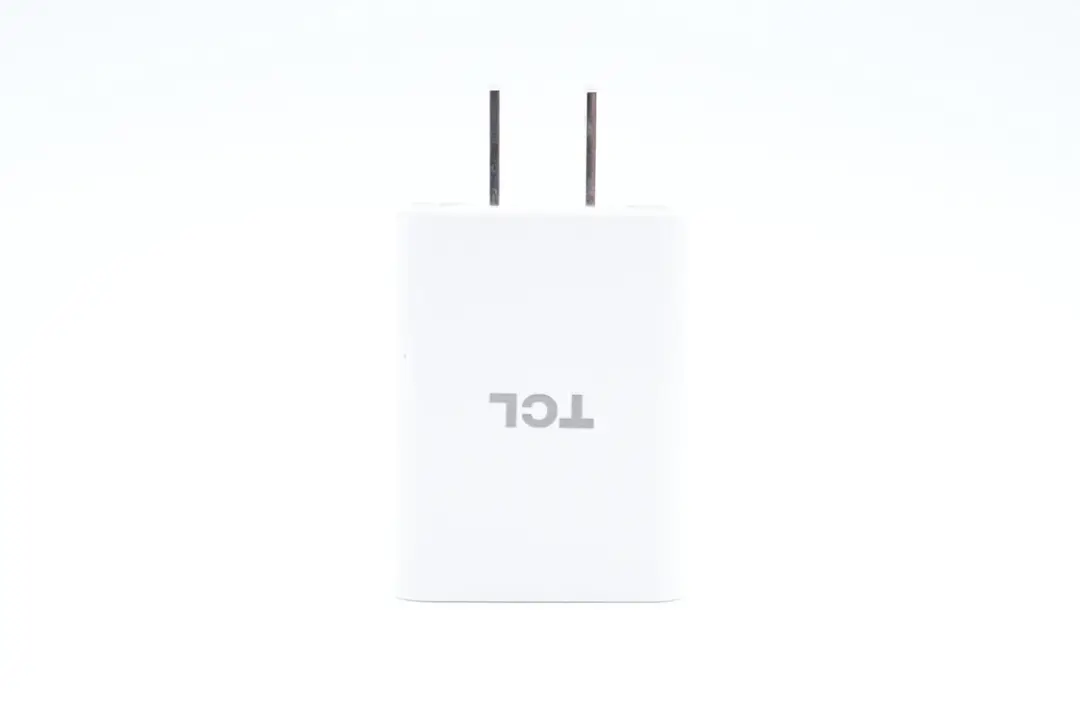
The TCL charger has a classic white rectangular body with the TCL logo on the front.
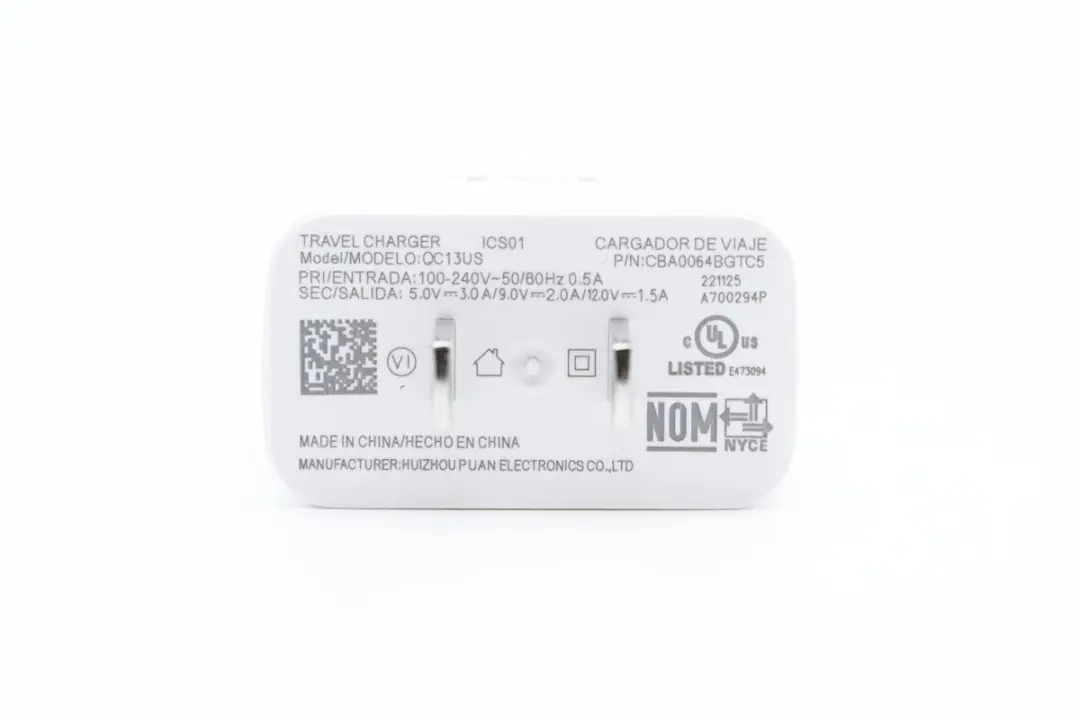
The input side housing bears the following rating information:
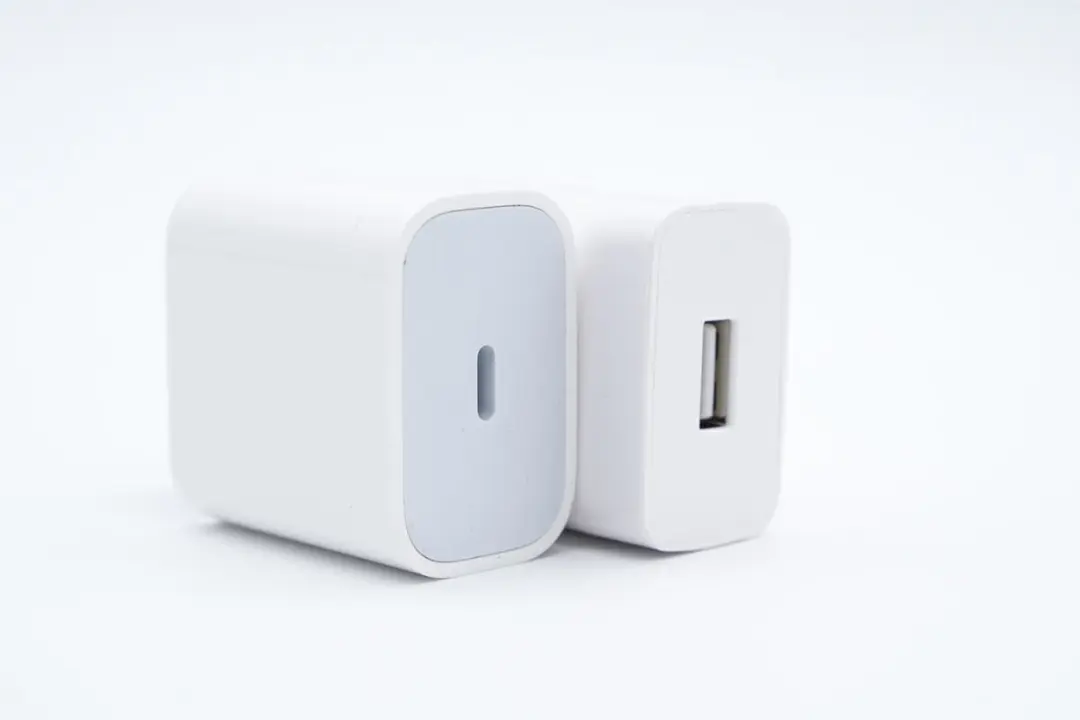
Teardown of the TCL 18W Charger
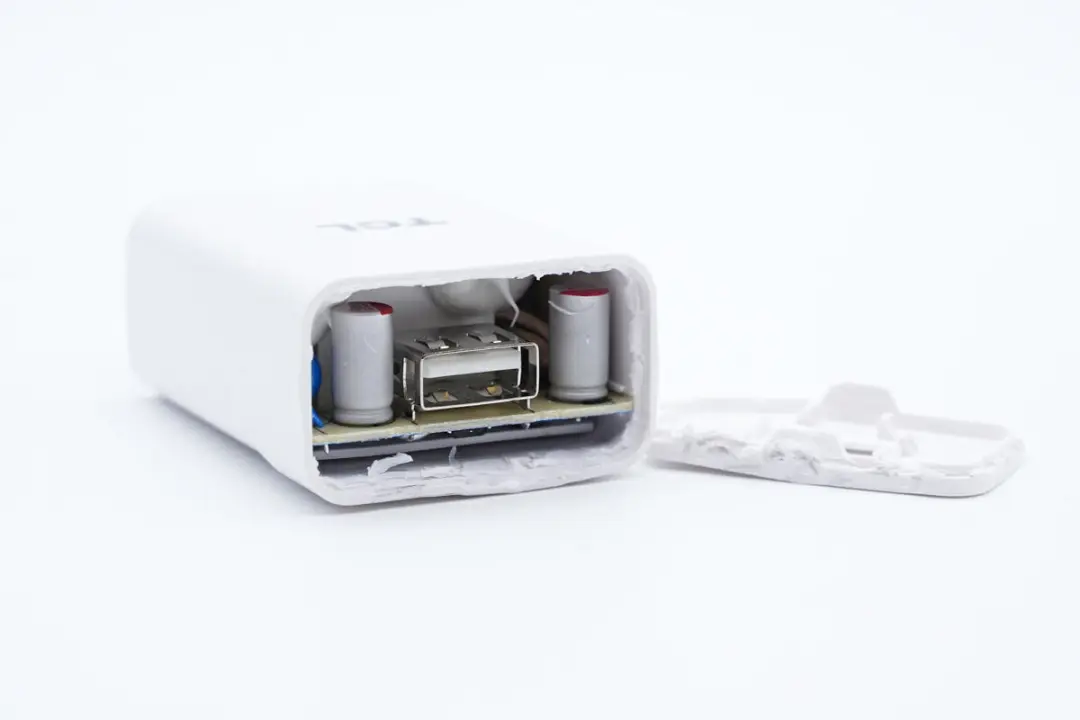
Start by removing the output cover to reveal the PCBA inside.
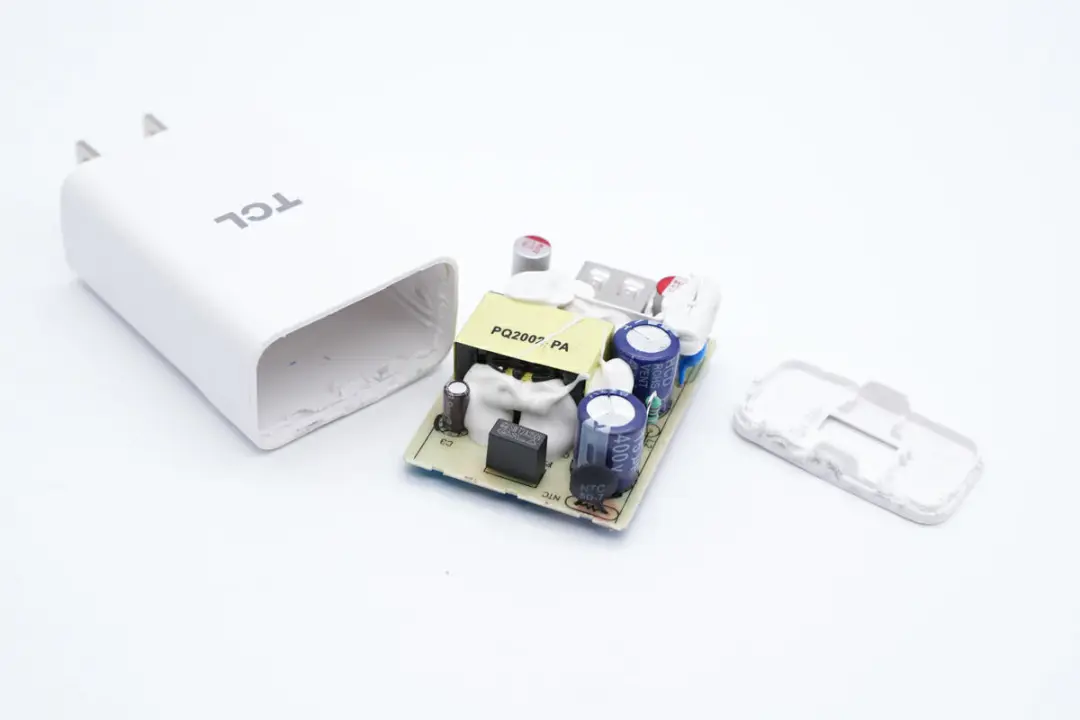
Extract the PCBA module – power is supplied through spring contacts, and the transformer is glued in place.
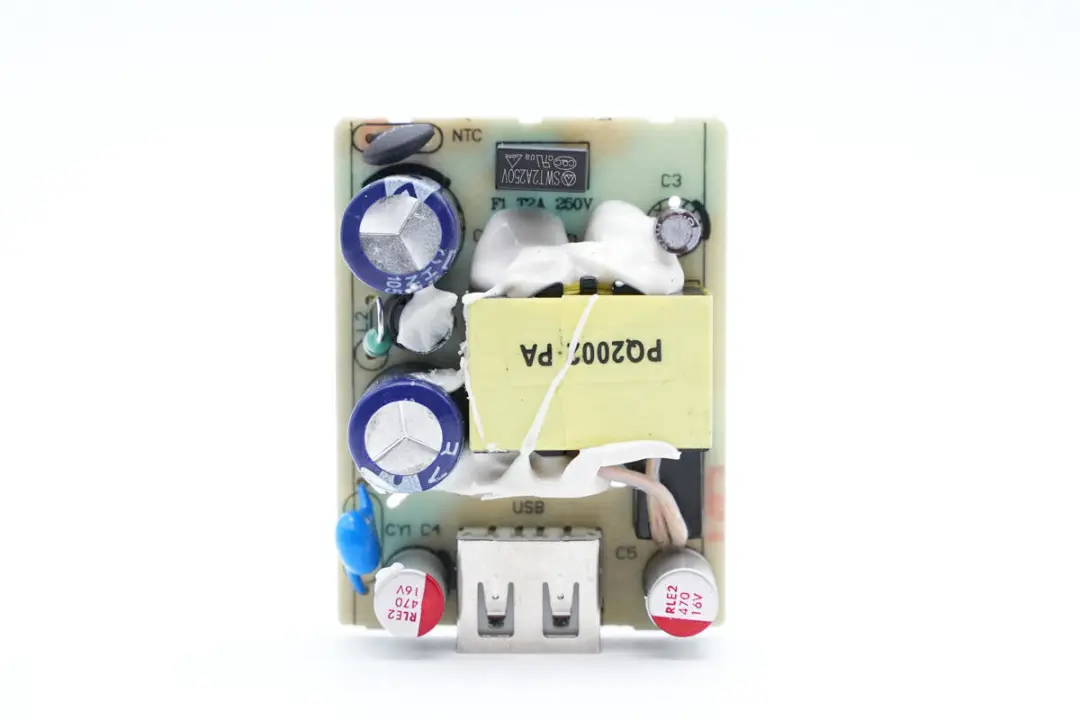
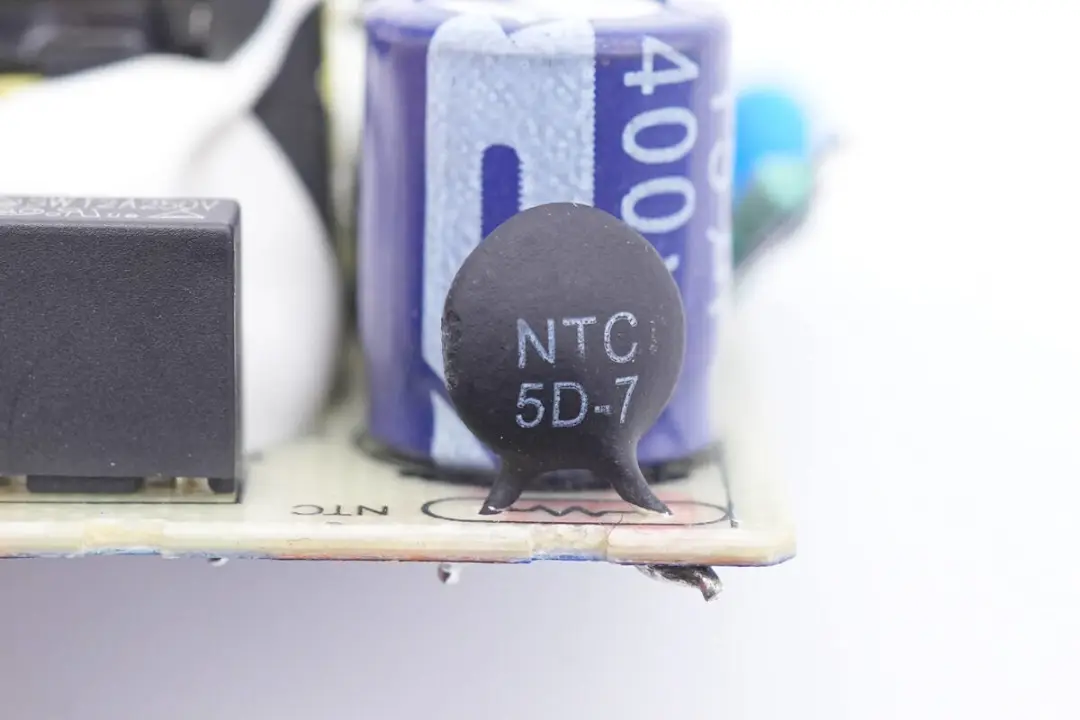
PCBA front view: top – fuse, NTC thermistor, primary filter caps, transformer; bottom – USB-A port with solid state filter caps on both sides.
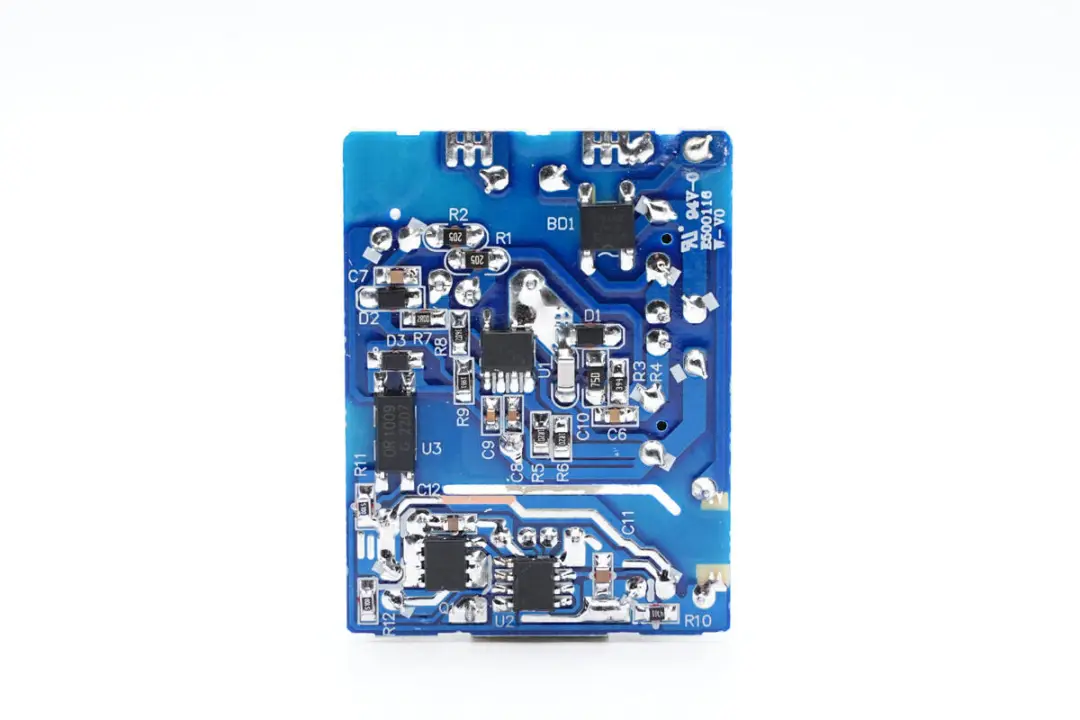
The back of the PCBA has a bridge rectifier, primary controller, optocoupler, SR MOSFET, and protocol IC. Primary secondary isolation is achieved via slots and an isolation barrier.
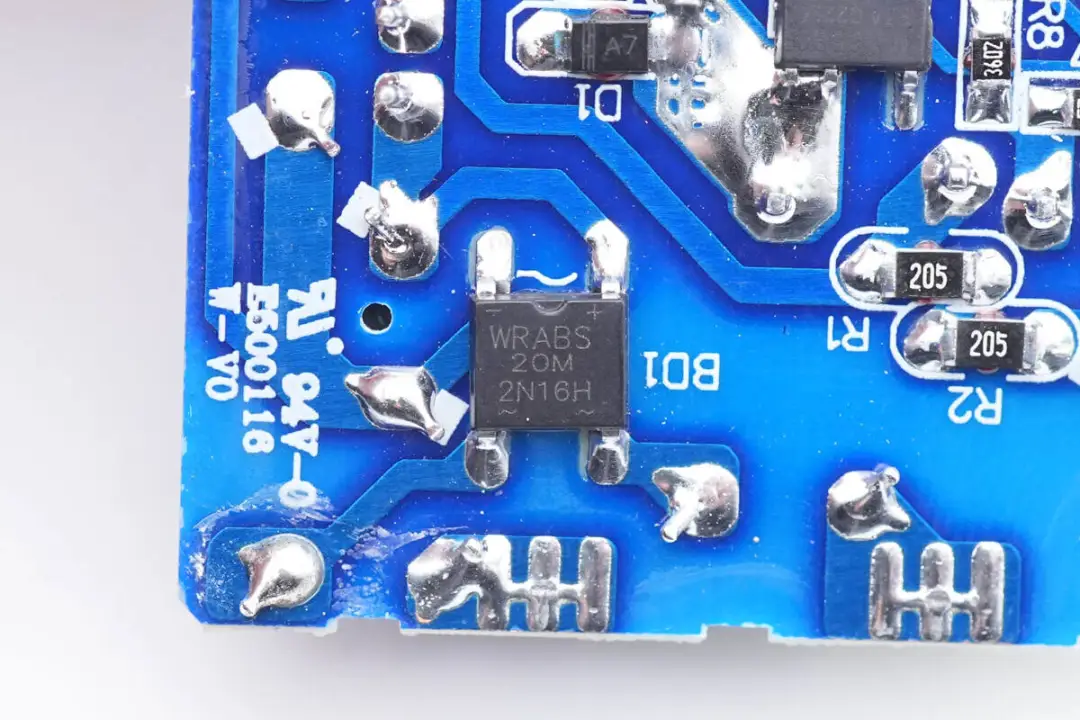
The rectifier bridge is supplied by Shenzhen World Industrial Co., Ltd., model WRABS20M. As a "soft" bridge rectifier, it utilizes a soft recovery curve and smooth turn-off characteristics. These features effectively reduce the diode's junction capacitance, resulting in minimal harmonic oscillation.
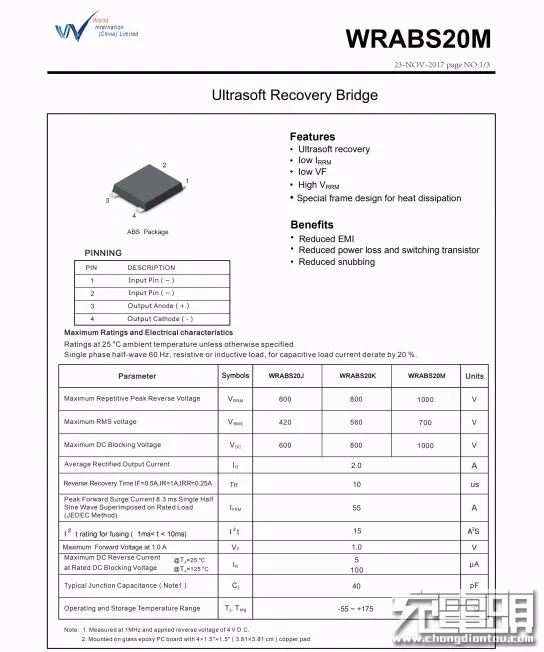
Shenzhen World Industrial WRABS20M Datasheet
Chongdiantou has learned that products using this soft bridge model also include the POWER4 18W USB PD fast charger, the Baseus 18W USB PD fast charger, and generic 18W USB PD chargers for Apple devices. At the same time, World's soft bridge series has been adopted in dozens of products, such as the OPPO 50W GaN fast charger, the Nubia 45W GaN fast charger, the ROCK 65W GaN PD fast charger, and the MCDODO 2C1A 65W GaN fast charger.
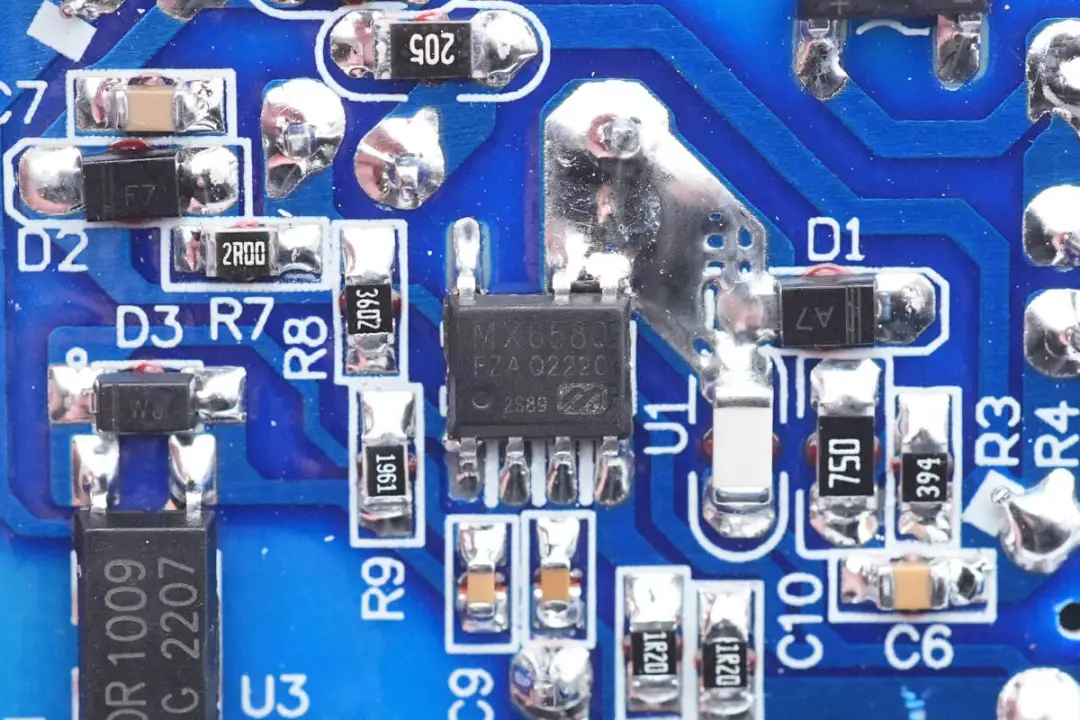
The charger uses a MIX-DESIGN MX6580 as the primary controller. This high-performance quasi-resonant flyback controller integrates a 700V MOSFET and a multi-mode PWM controller, with peak current mode control for low EMI and low standby power. It supports 18W output and features MIX-DESIGN's proprietary feedback technology, which removes the need for external compensation components.
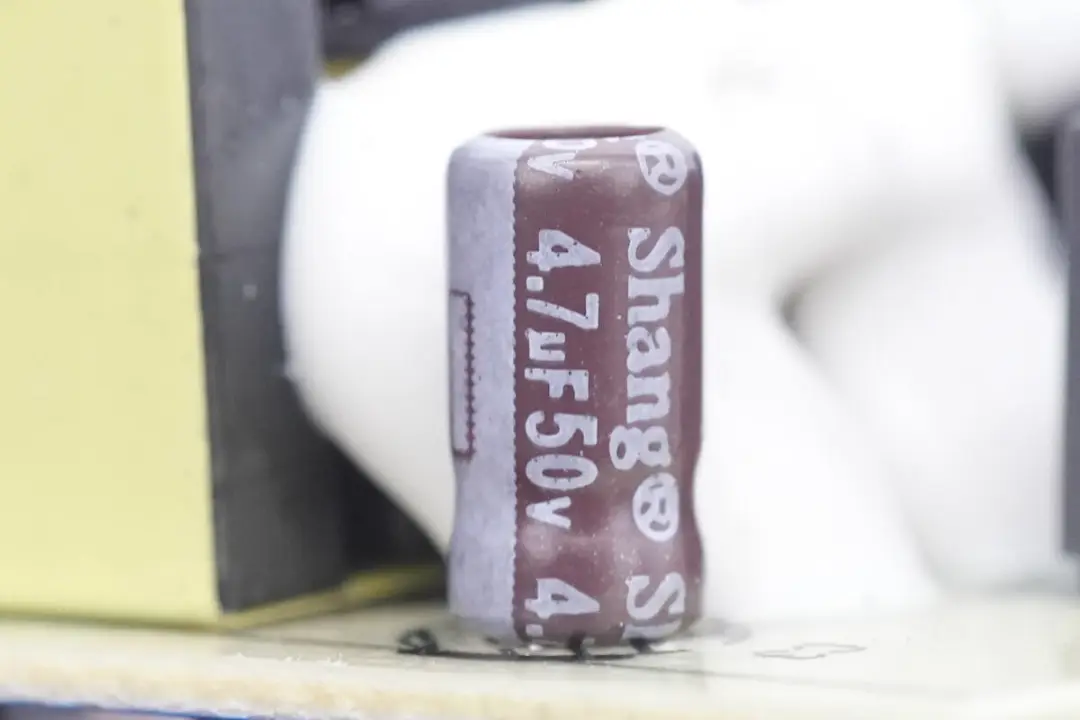
The filter capacitor for the primary controller IC is 4.7μF 50V.
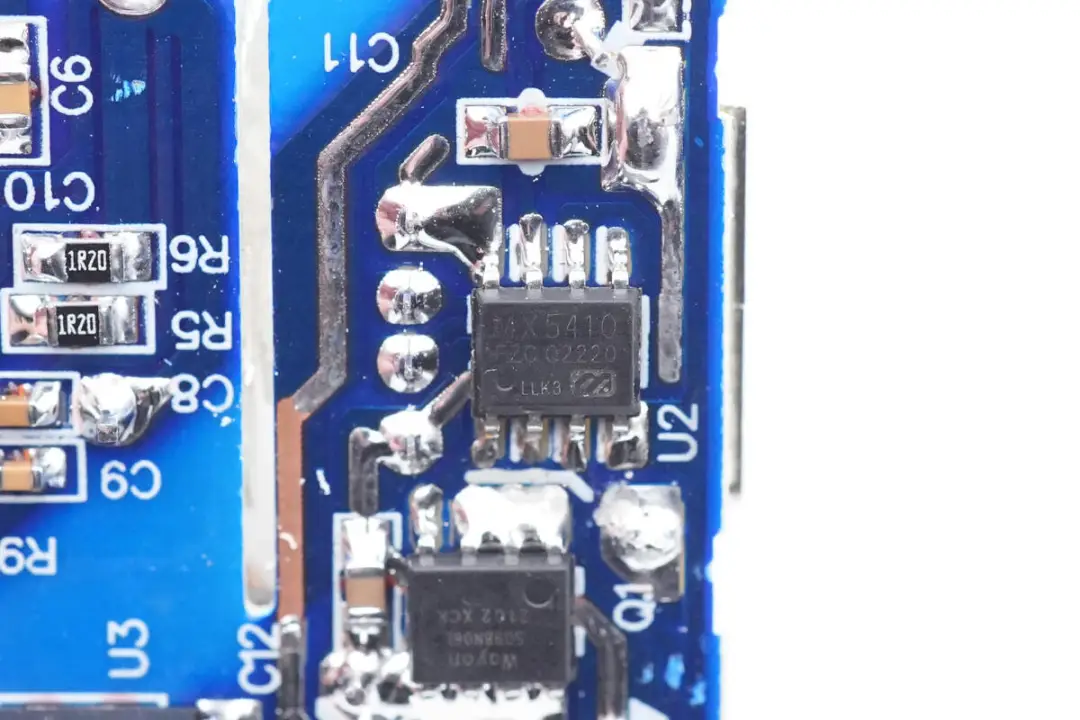
The secondary side uses the MIX-DESIGN MX5410 for protocol detection and SR control, with minimal external components. Packaged in SOP-8, it combines synchronous rectification and fast charge feedback control in a single highly integrated chip.
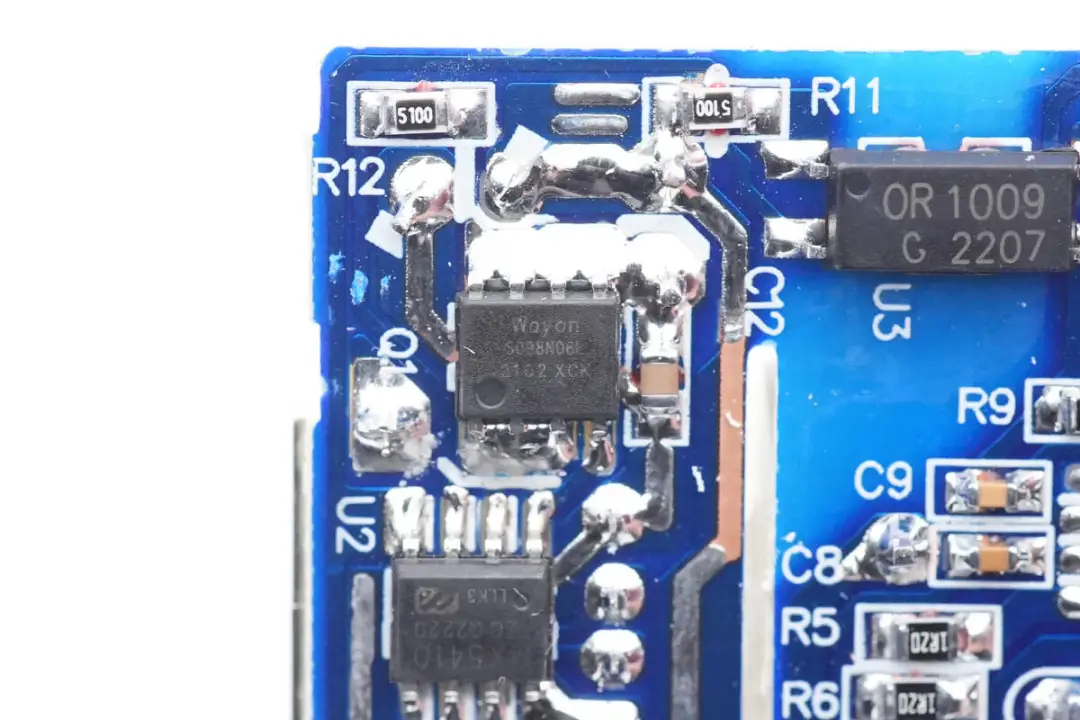
The SR MOSFET is a Wayon WMS098N06LG2 – a 60V N-channel device with 7.8mΩ on-resistance in an SOP-8 package, driven by the MX5410.
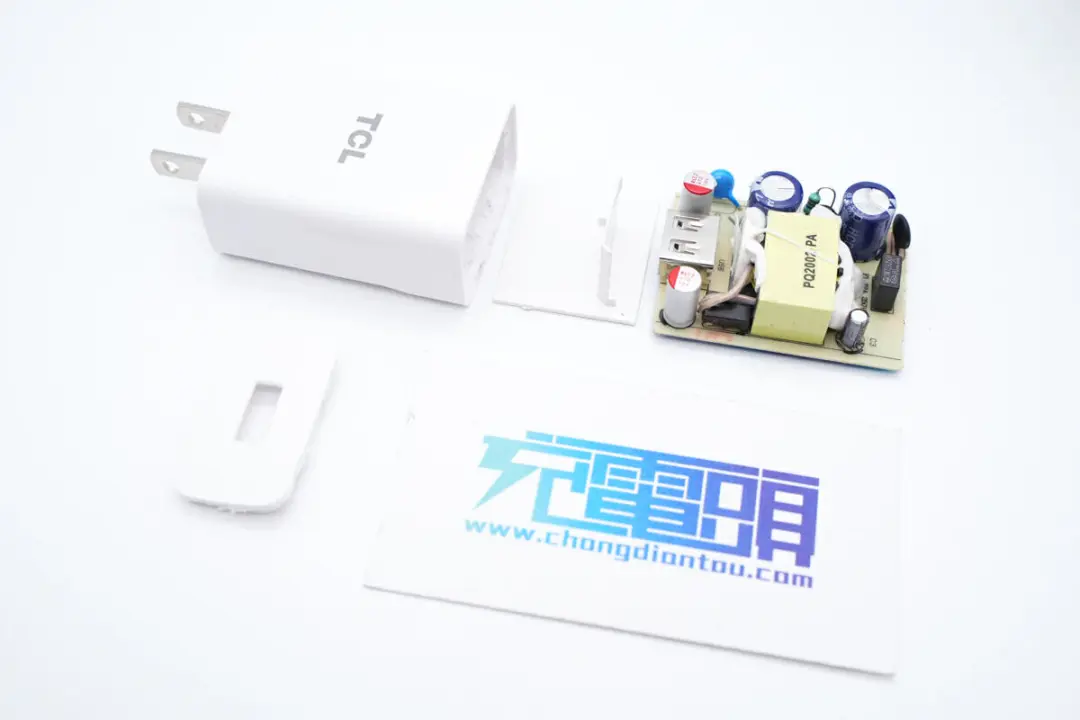
Chongdiantou Teardown Summary
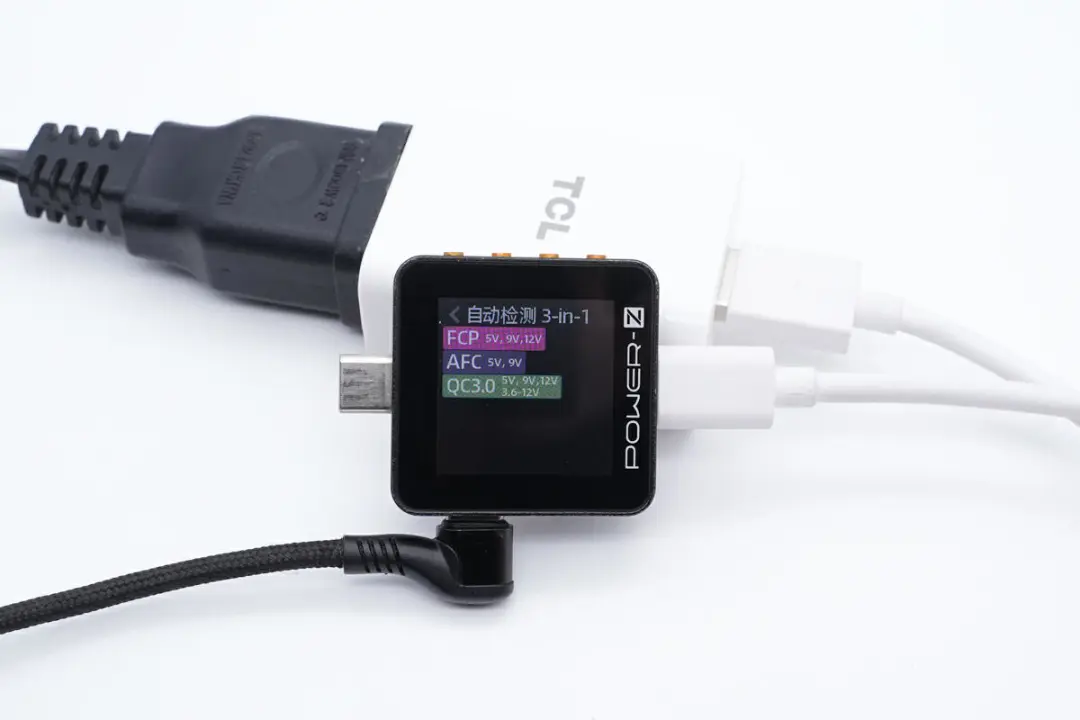
The TCL 18W charger features a USB-A output port and supports QC2.0/3.0, Huawei FCP, and Samsung AFC fast-charge protocols, making it well-suited for daily charging needs of older mobile phones.
On the primary side, the charger utilizes the MIX-DESIGN MX6580 primary power IC with an integrated switch; on the secondary side, it uses the MIX-DESIGN MX5410 protocol IC with built-in synchronous rectification control. Thanks to the highly integrated MIX-DESIGN chipset, the charger employs a single-sided PCB to reduce costs. The internal capacitors and transformer are secured with adhesive, and insulation between the primary and secondary sides is provided by an isolation board. Overall, both the internal components and the design are robust and reliable.