 Authorized Dealer
 English
 中文
中文 日本語
日本語






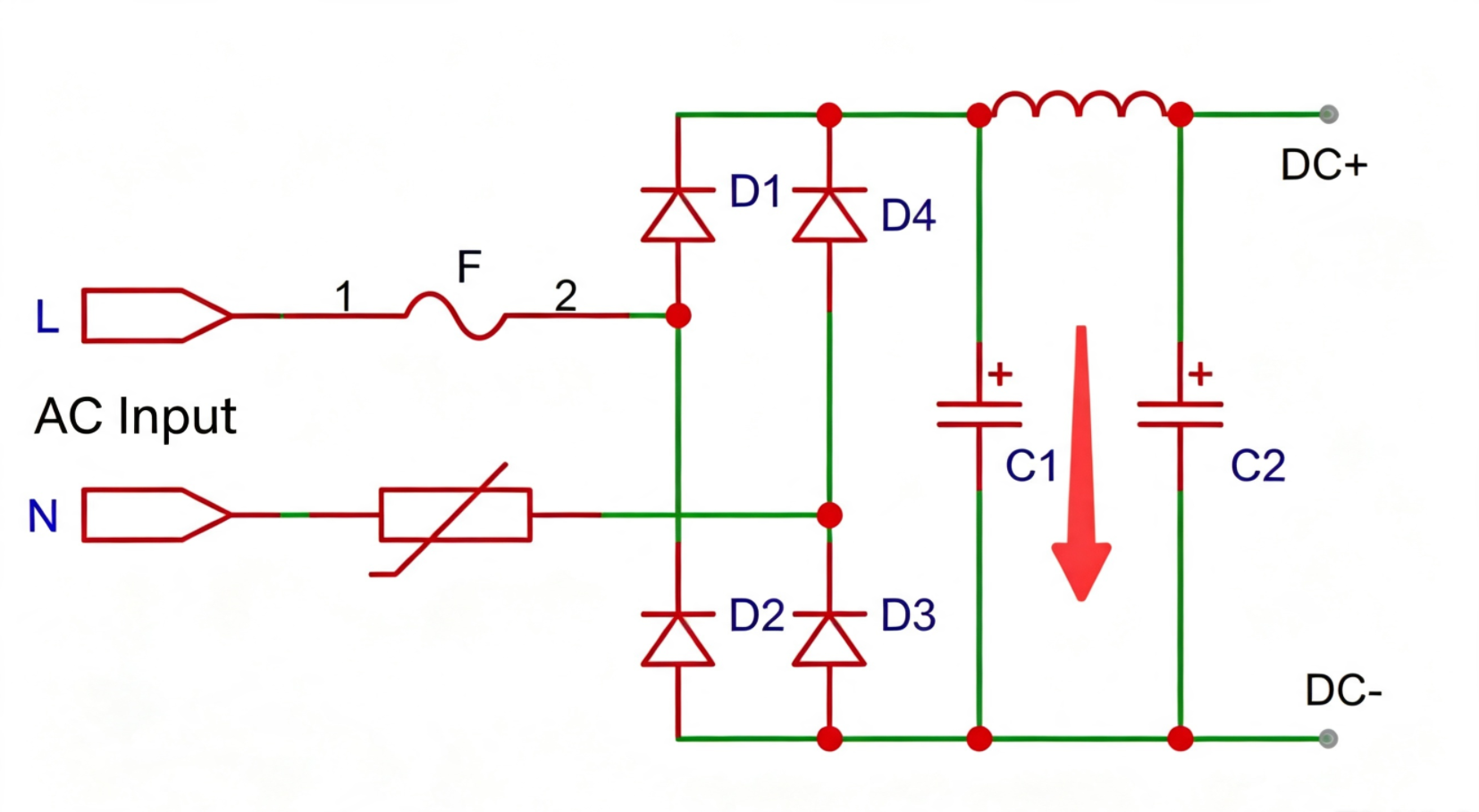
In electronic circuits, the filtering performance of electrolytic capacitors directly determines power supply stability, while bridge rectifiers serve as the "core backbone" of rectifier and filter circuits. However, few realize that once an electrolytic capacitor experiences leakage, the bridge rectifier will be the first to bear the brunt of the impact. This article will detail how to avoid cascading failures caused by capacitor leakage through "proper component selection," covering everything from technical principles to practical solutions.
I. The Destructive Power of Capacitor Leakage
The leakage of an electrolytic capacitor is essentially caused by its inability to store charge stably, resulting in a "stealthy" escape of current. Although this tiny leakage current is minute, its detrimental effects cannot be ignored:
When a capacitor fails to smooth the DC voltage as intended, the ripple components in the circuit increase, leading to unstable device output.
In audio equipment, leakage allows AC signals to bleed into the DC channel, producing a distinct humming sound that severely degrades audio quality.
In DC-blocking circuits, leakage causes the DC component to "bleed across," resulting in the shift of the circuit's operating point and subsequent signal distortion.
Leakage causes continuous internal heating of the capacitor, accelerating aging and potentially triggering electrolyte leakage. Since the electrolyte is corrosive, it can damage surrounding components. In extreme cases, this can even lead to capacitor explosion or circuit fire.
Leakage exacerbates the burden on components such as bridge rectifiers and fuses, causing the rectifier's temperature to surge. In severe cases, this can puncture the components, triggering failures across the entire circuit board.
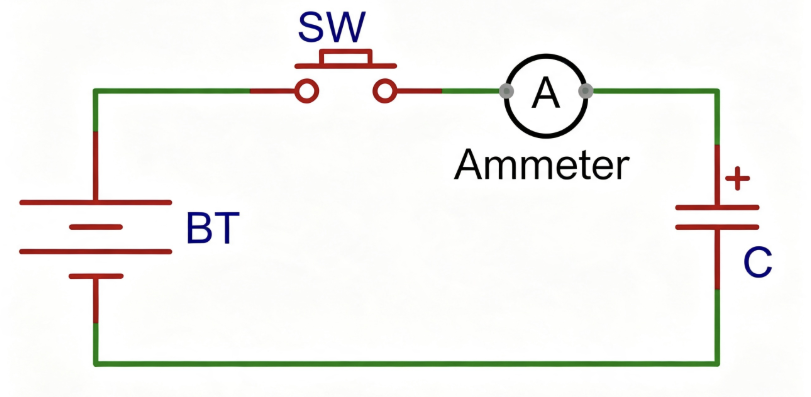
II. 3 Steps to Test Capacitor Leakage
When dealing with bridge rectifier failures caused by capacitor leakage, "test before replacing" is the most efficient troubleshooting strategy. Master the following methods to easily locate the faulty component:
III. 4 Primary Causes of Capacitor Leakage
Capacitor leakage is rarely a sudden failure; it is typically triggered by the following factors:
1. Temperature: Higher ambient temperatures easily cause leakage current to increase. High-temperature equipment requires rigorous thermal management.
2. Voltage: The risk of leakage rises significantly when the applied voltage approaches or exceeds the rated voltage.
3. Aging: As operating time increases, the internal materials degrade, causing the leakage current to gradually escalate.
4. Quality: Capacitors with insufficient internal material purity or manufacturing defects inherently carry a higher risk of leakage.
IV. Critical Warning: The Cascading Effect of Leakage on Bridge Rectifiers